Kyoto temples: 20 places and a two-day route idea
Rather than rushing between every temple, give a few places in the same area more time. This two-day outline is an editorial suggestion to adapt to opening days, your accommodation and walking pace. The full list of 20 is not intended to fit into two days.
Jump to the 20 places ↓Day 1: Higashiyama and Gion
Choose two or three stops from Kiyomizu-dera, Kōdai-ji and Kennin-ji according to your interests. Leave gaps for gardens, art and neighbourhood walks. Do not assume evening illuminations are an extension of normal admission: special events can have different hours or tickets.
Day 2: Northwest Kyoto
Consider Kinkaku-ji and Ryōan-ji for the same area day, with Ninna-ji if time and energy allow. Giving Arashiyama its own half-day is a calmer alternative to squeezing it in. This is not a continuous walking route; plan transport between stops.
Transport and admission checks
Kyoto’s official tourism guide recommends combining trains or the subway with buses. Plan for transfers and congestion, not just distance. Check each temple’s last admission, closure days, separately ticketed areas and any reservation requirement on its own page. Follow photography and worship rules indoors.
20 Must-Visit Temples in Kyoto
Kiyomizu-dera
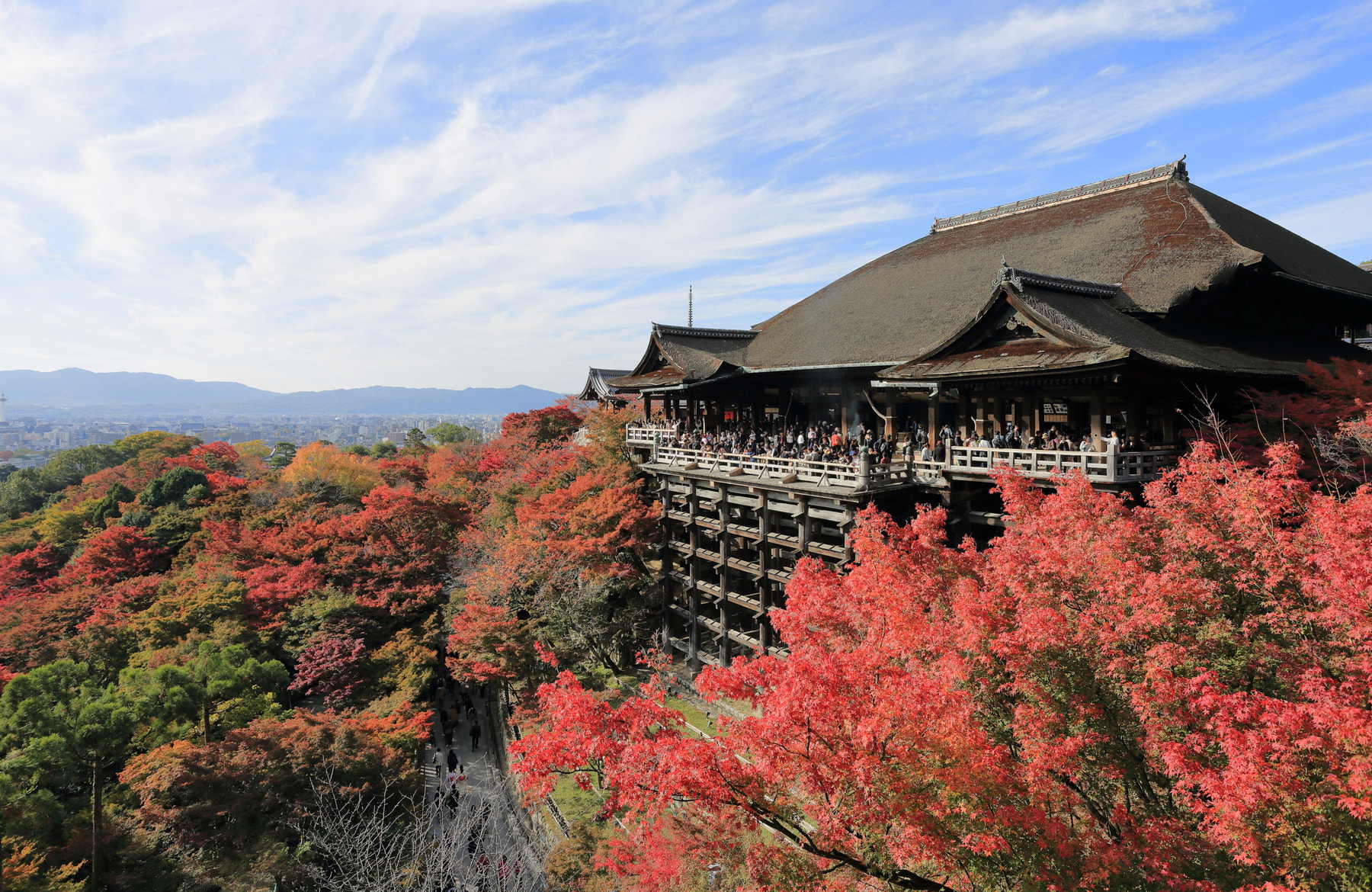
One of Kyoto’s defining classics, known for its timber stage, city views and historic approach streets.
Kinkaku-ji
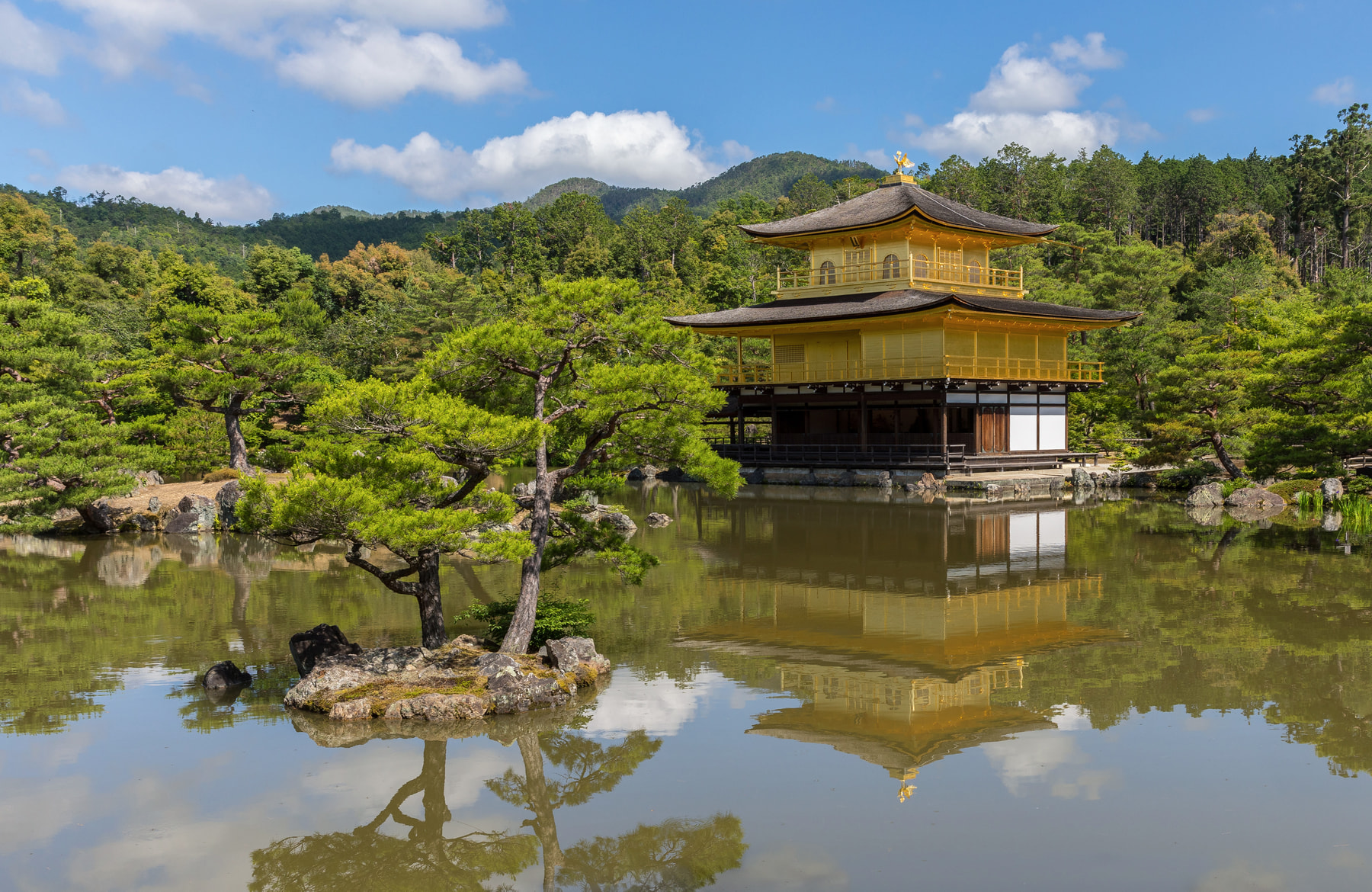
The Golden Pavilion reflected in Kyōko-chi pond is one of Kyoto’s most recognisable views.
Ginkaku-ji
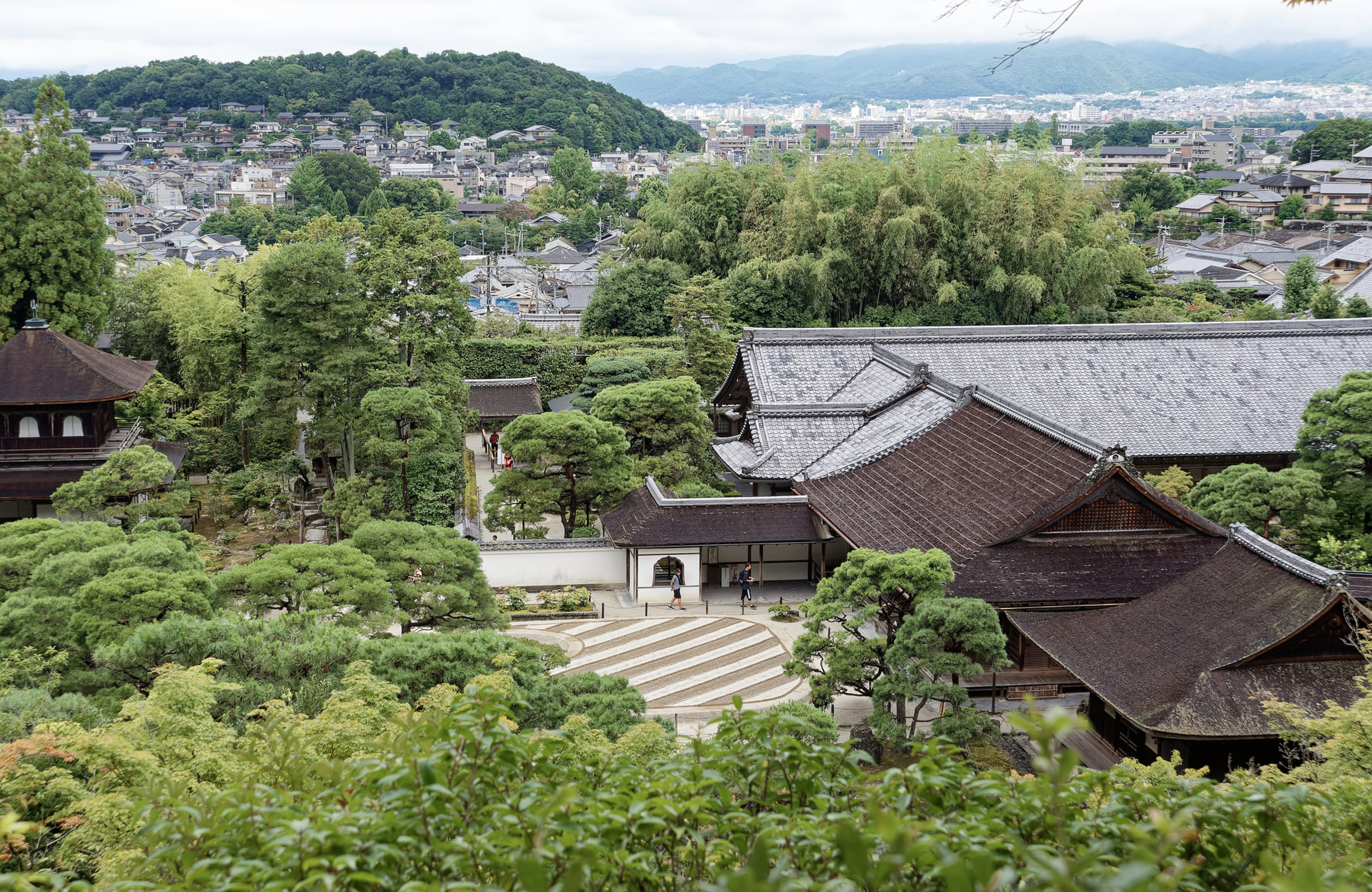
A quieter counterpart to the Golden Pavilion, with a sculpted sand garden, moss paths and restrained architecture.
Ryōan-ji
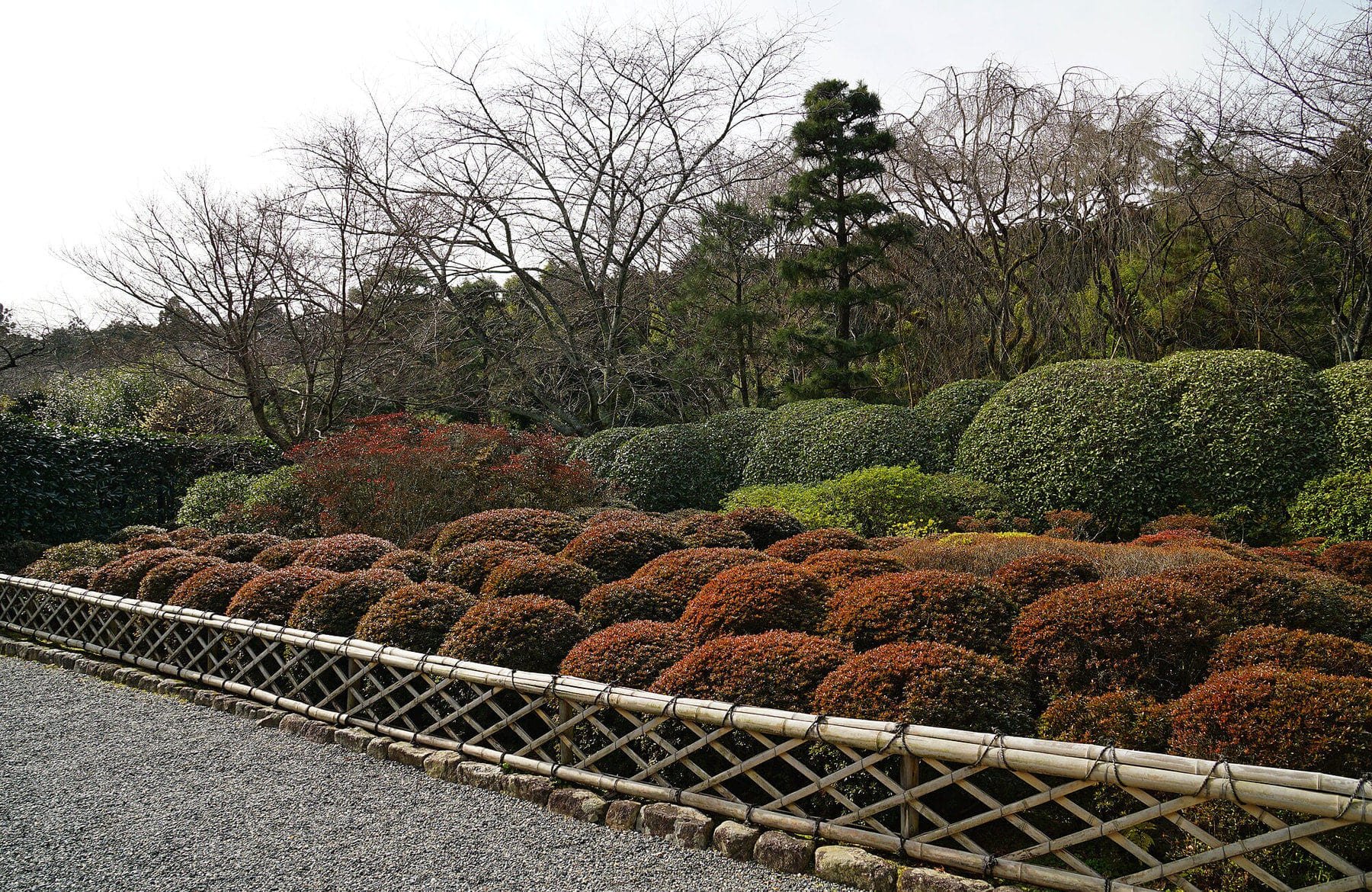
Its celebrated fifteen-stone dry garden offers a quiet study in viewpoint, space and balance.
Tenryū-ji
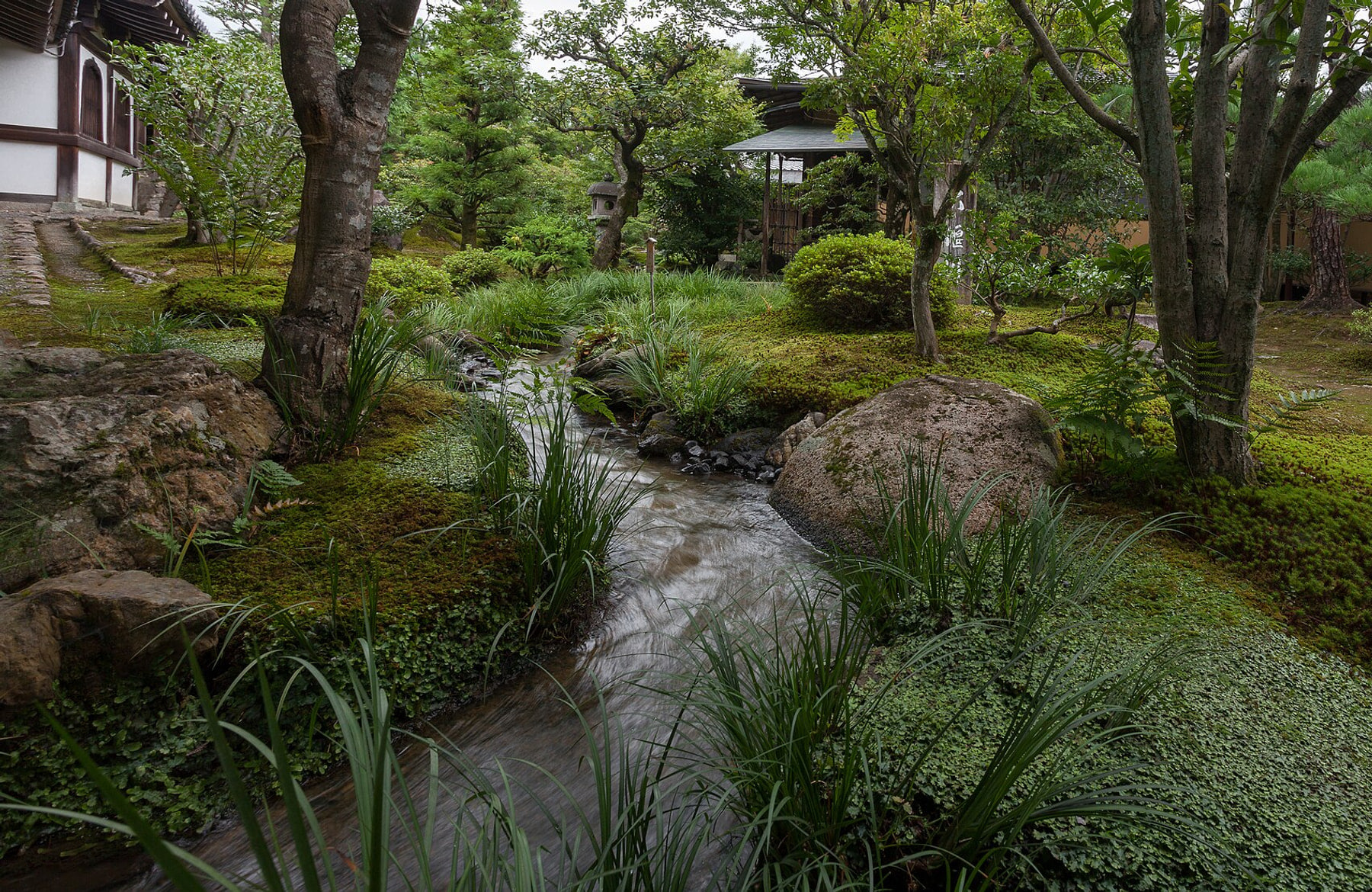
Sōgenchi garden is a masterpiece of borrowed scenery, folding the Arashiyama mountains into its composition.
Nanzen-ji
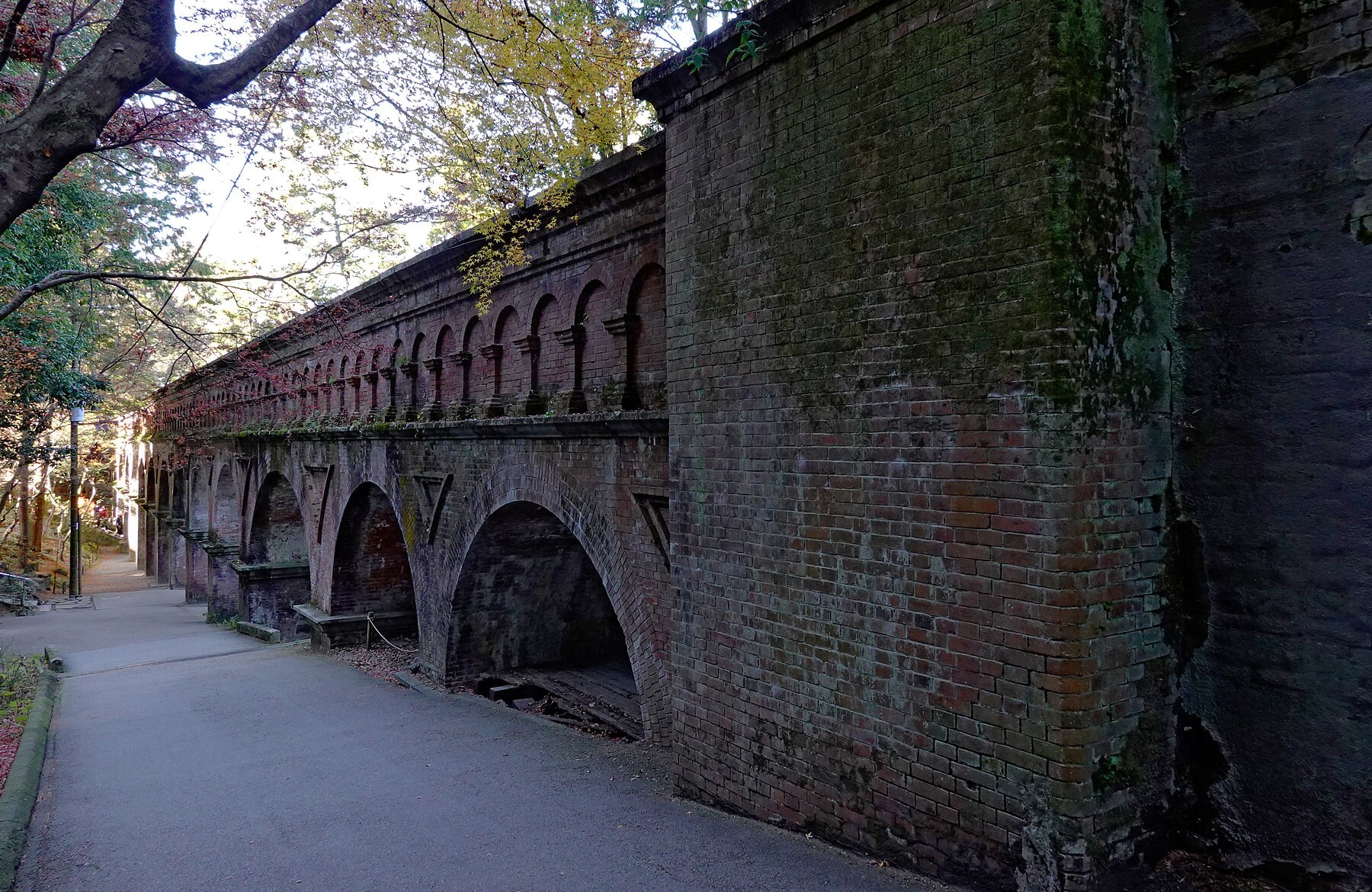
A spacious complex of sub-temples, the monumental Sanmon gate and a distinctive brick aqueduct.
Eikan-dō Zenrin-ji
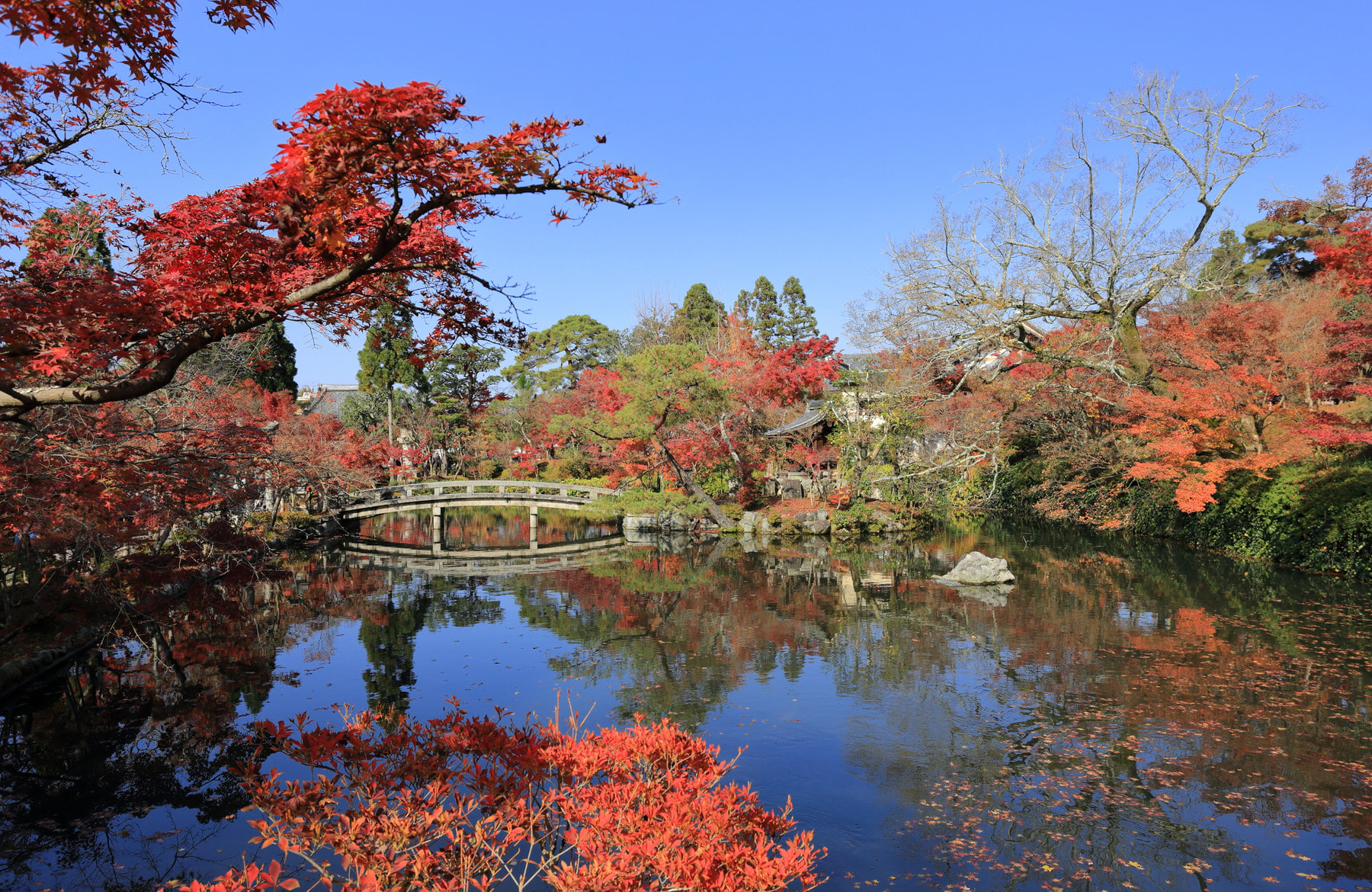
Known for autumn colour, layered timber corridors and the distinctive Mikaeri Amida statue.
Tōfuku-ji
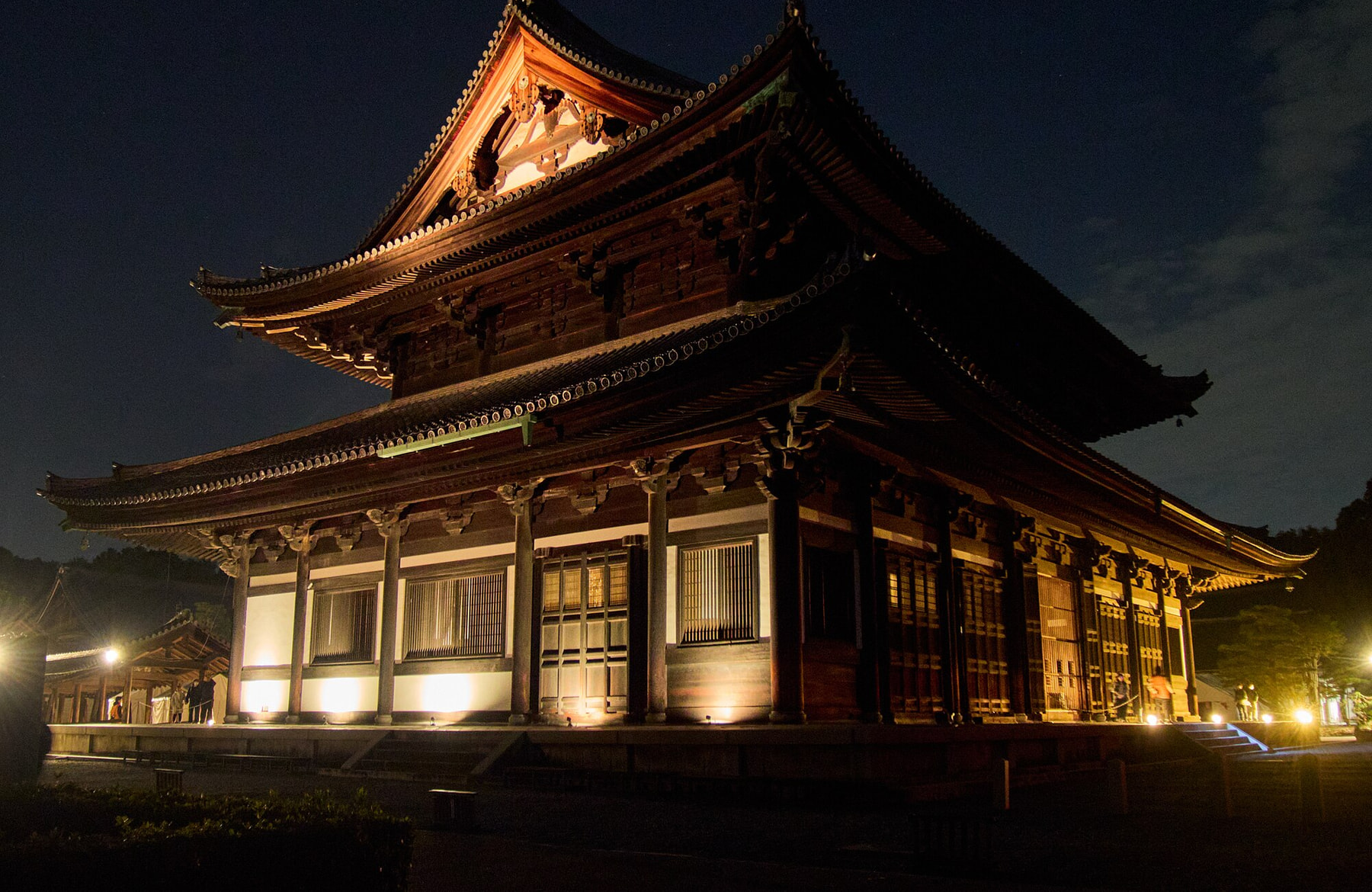
Tsūtenkyō bridge and its blend of modern and classical gardens are especially striking in autumn.
Sanjūsangen-dō
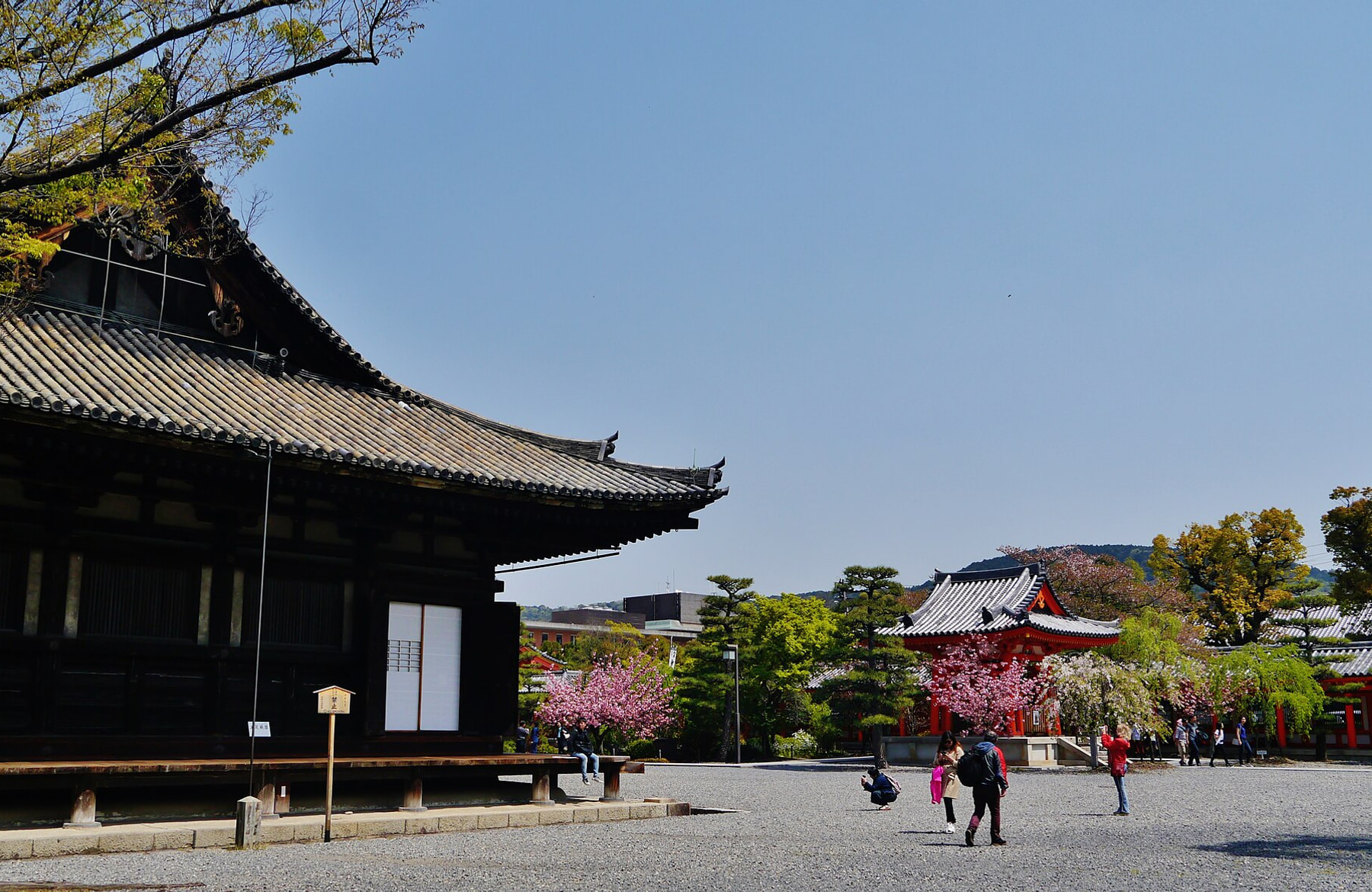
A long timber hall lined with 1,001 Kannon statues creates one of Kyoto’s most affecting interiors.
Kennin-ji
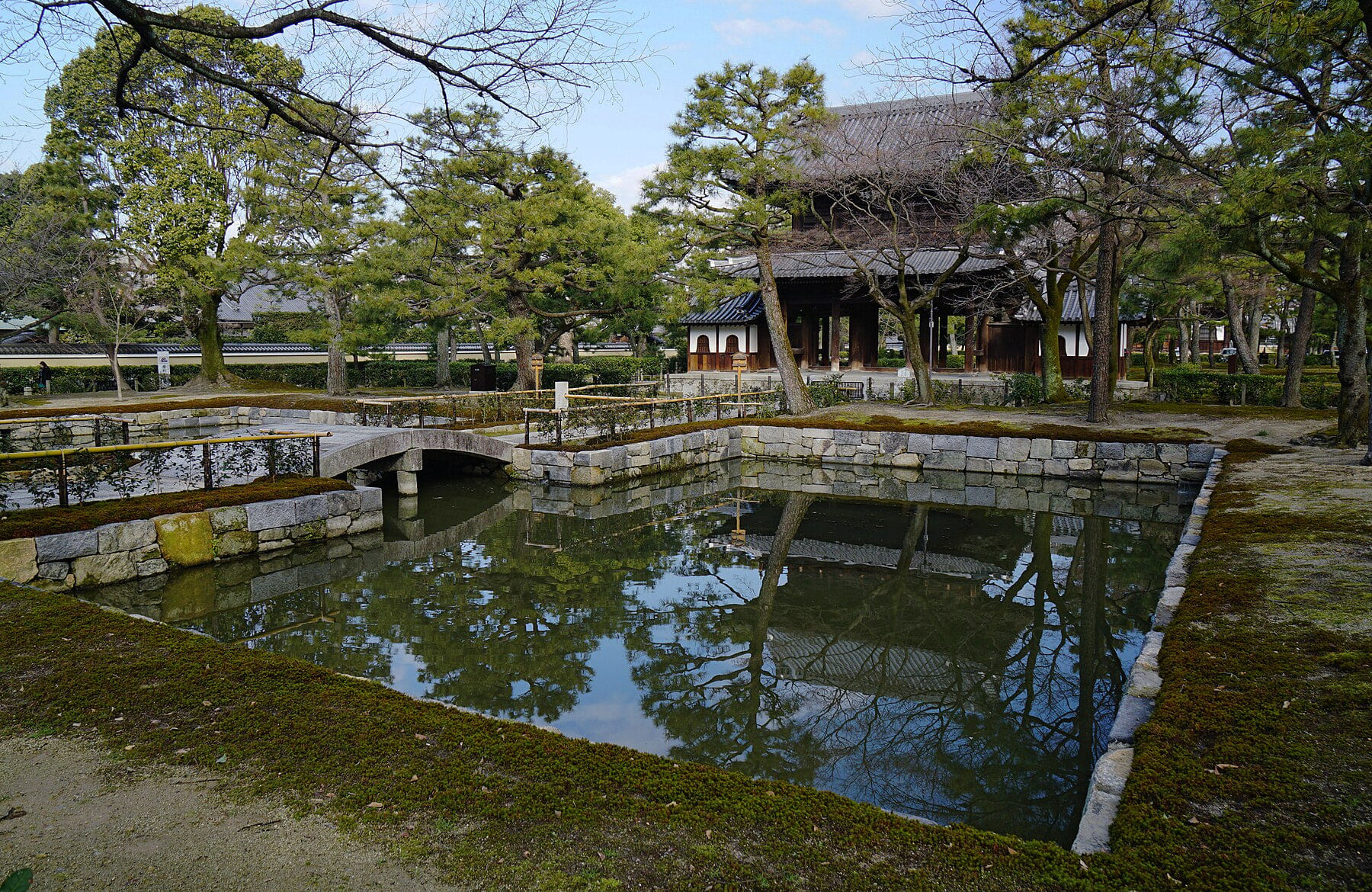
A calm Gion stop of rock gardens, painted screens and the dramatic Twin Dragons ceiling.
Kōdai-ji
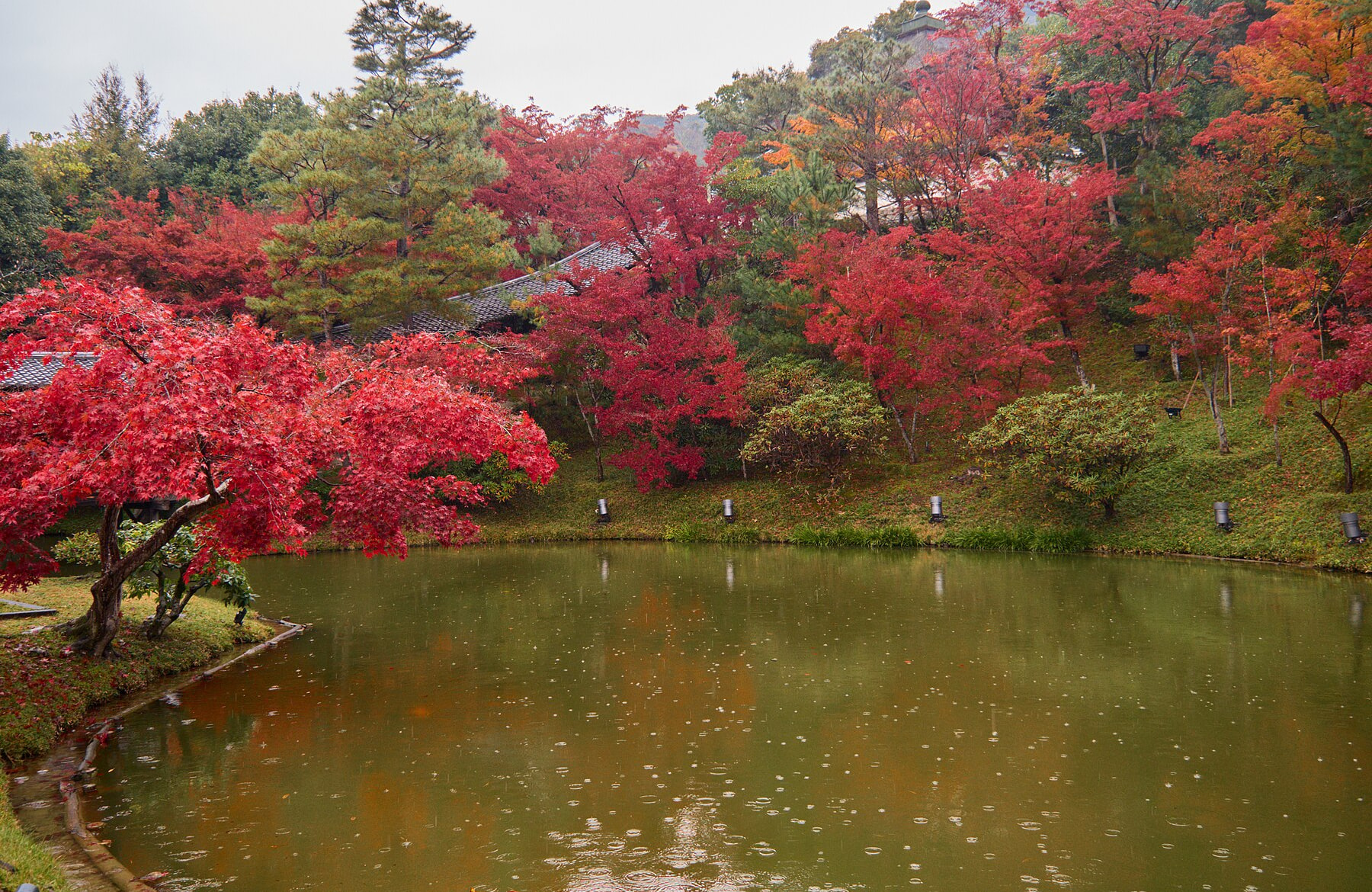
An elegant Higashiyama temple combining a rock garden, bamboo path and the story of Hideyoshi and Nene.
Chion-in
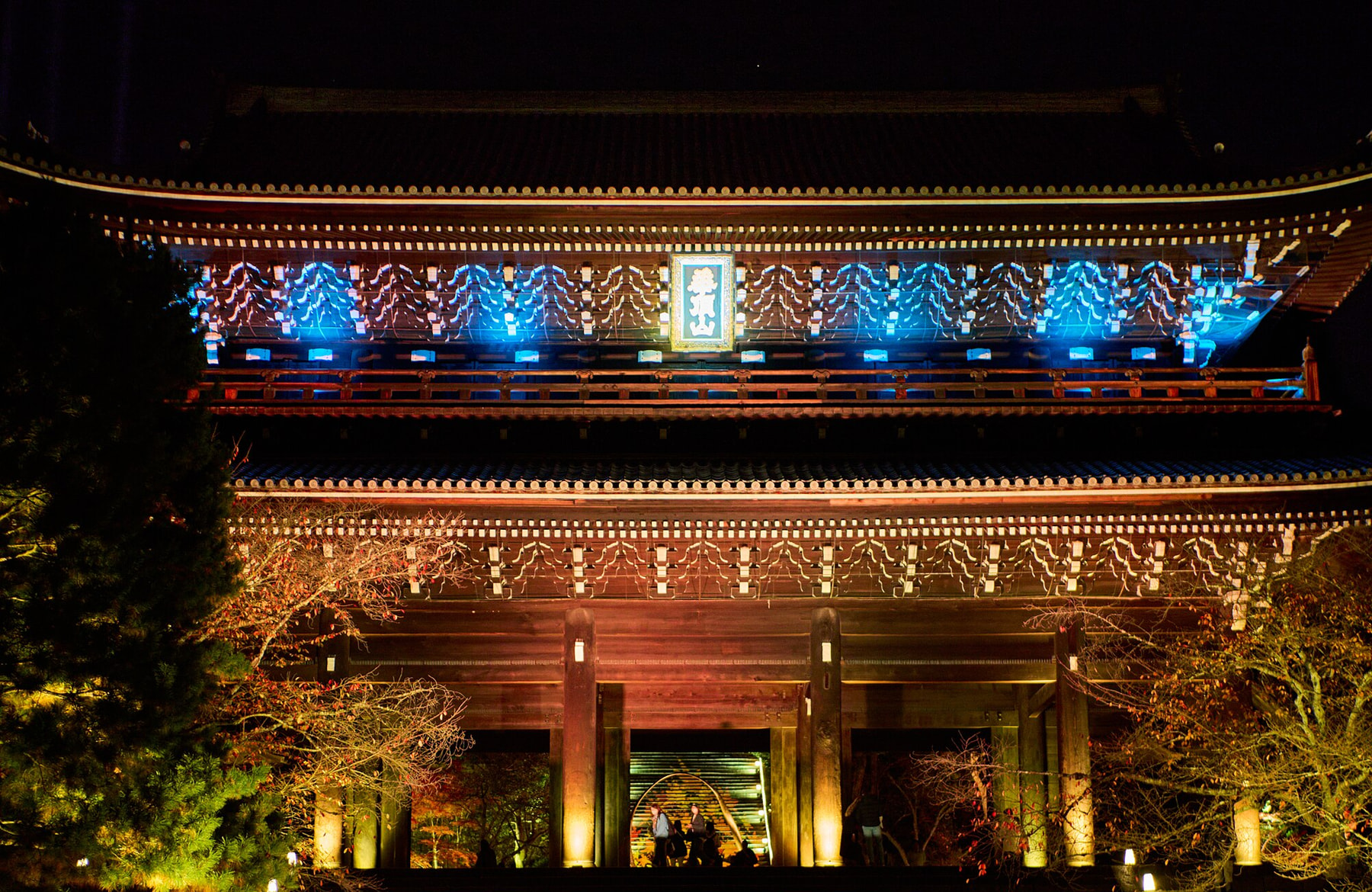
A living head temple marked by its vast Sanmon gate, Miei-dō hall and morning services.
Ninna-ji
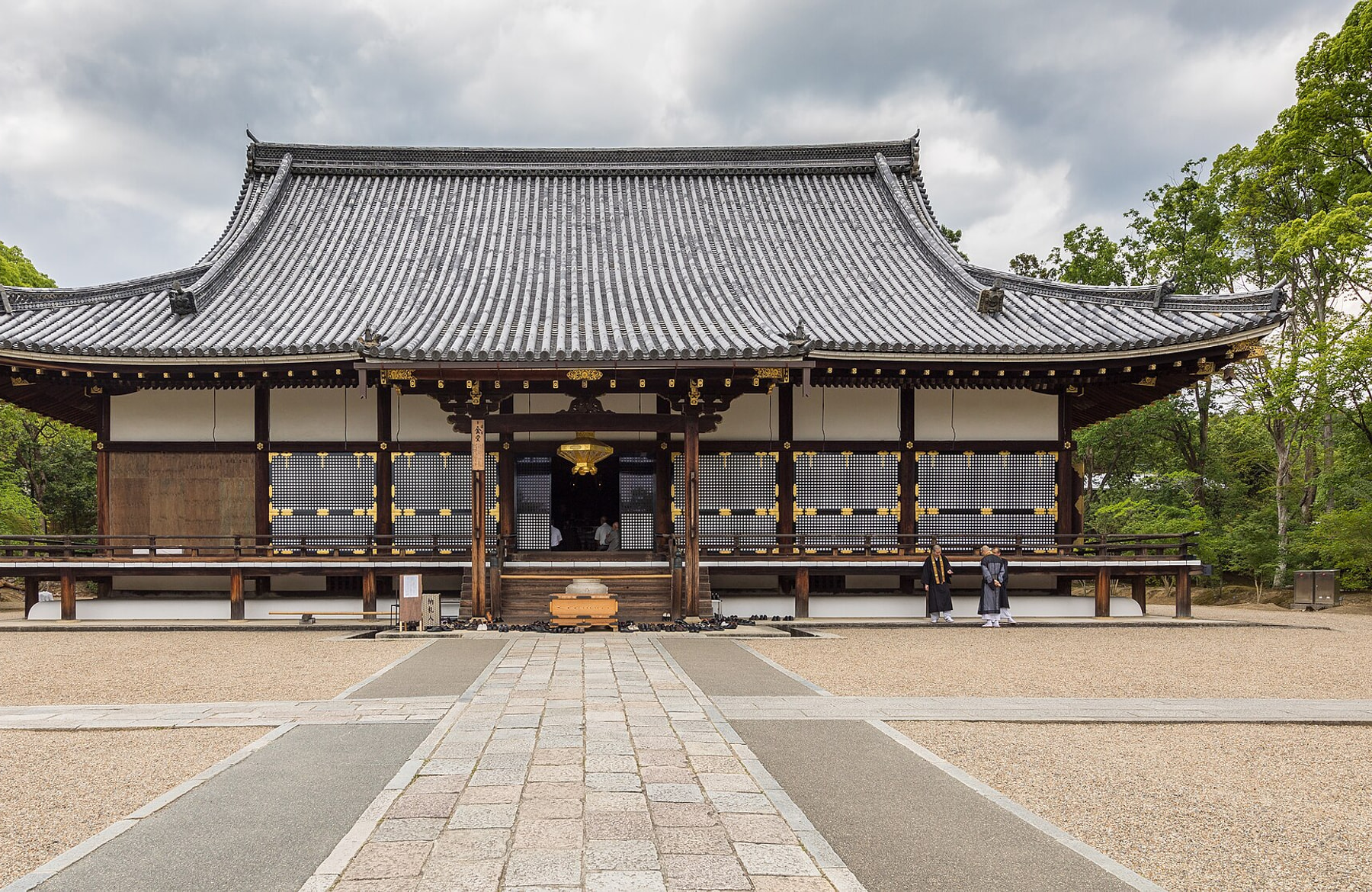
A spacious complex of late-blooming Omuro cherries, a five-storey pagoda and palace-style Goten gardens.
Tō-ji
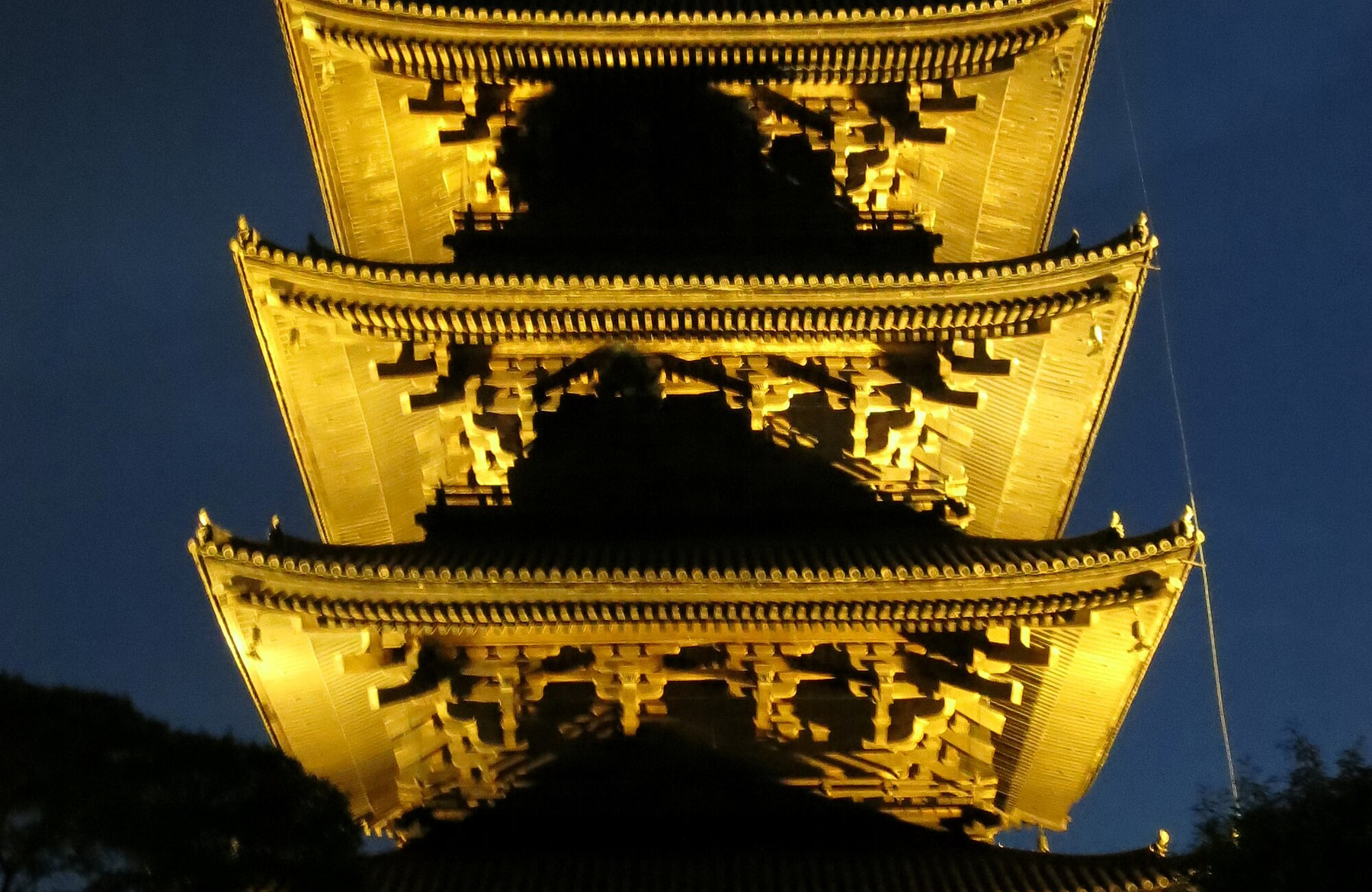
Known for Kyoto’s five-storey pagoda, powerful Buddhist sculpture and the monthly Kōbō-san market.
Daikaku-ji
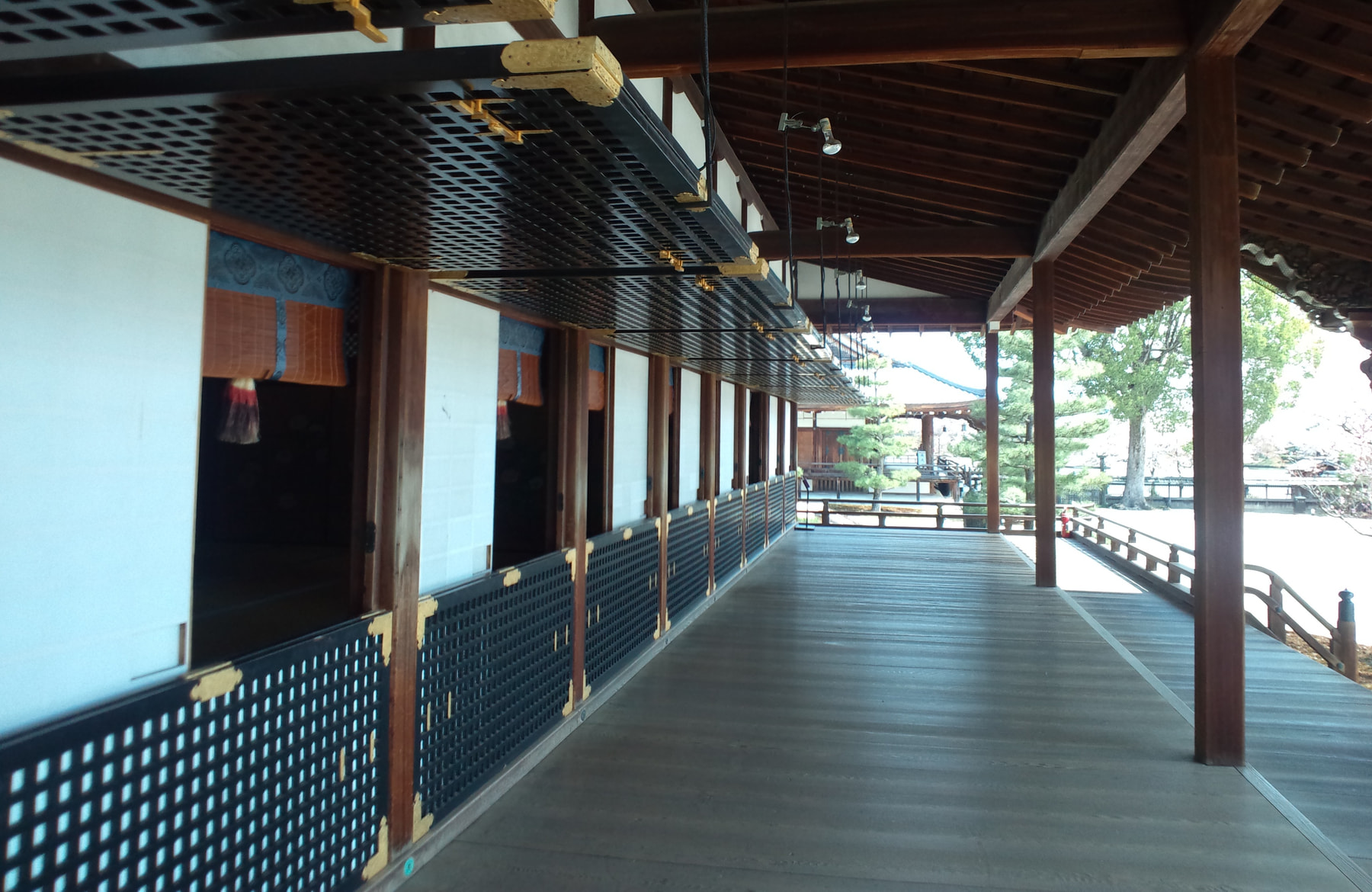
A quieter Arashiyama alternative of palace corridors, painted screens and expansive Ōsawa Pond.
Daigo-ji
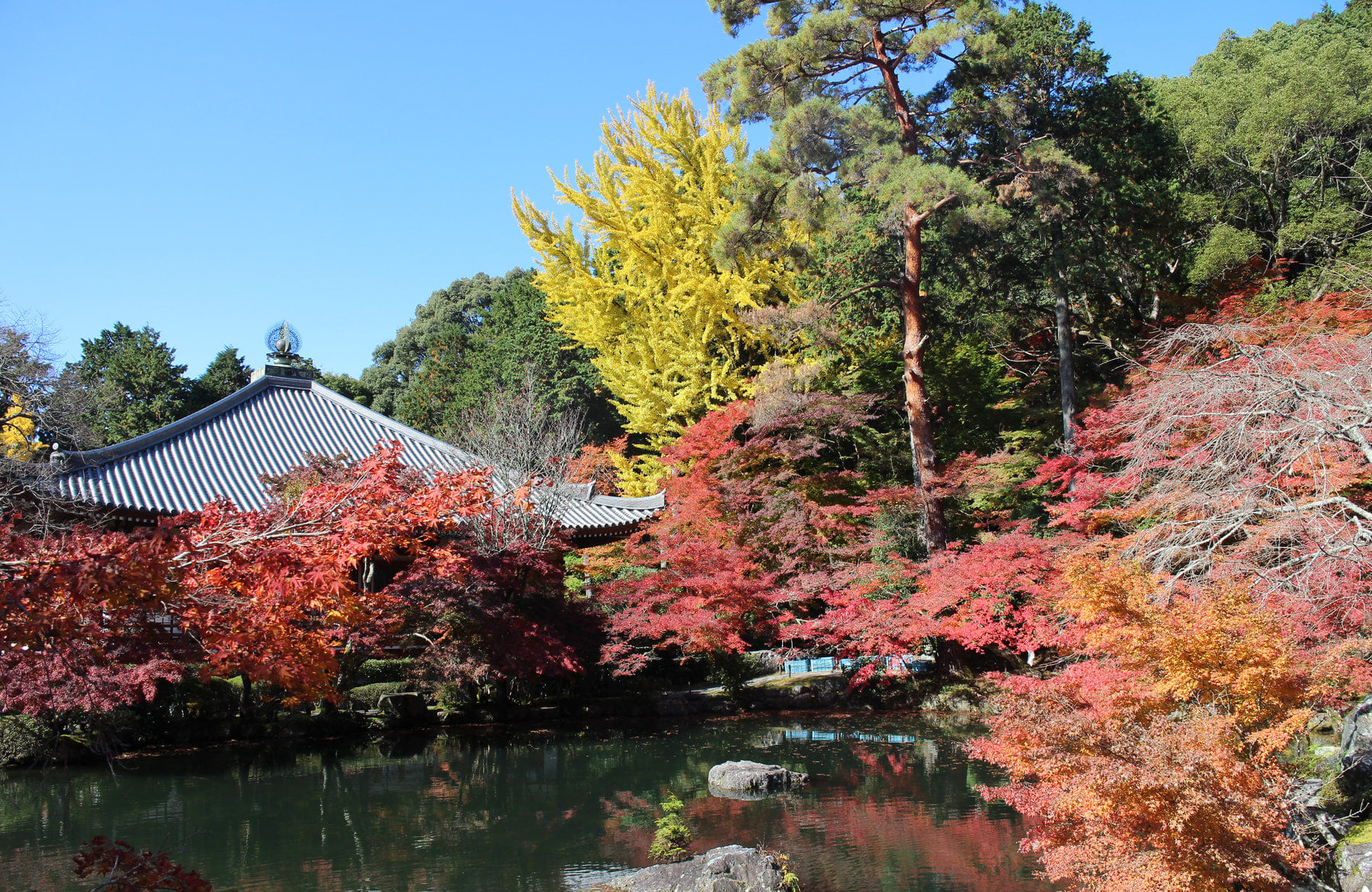
A half-day destination spanning a five-storey pagoda, Sanbō-in garden and a broad mountainside precinct.
Otagi Nenbutsu-ji
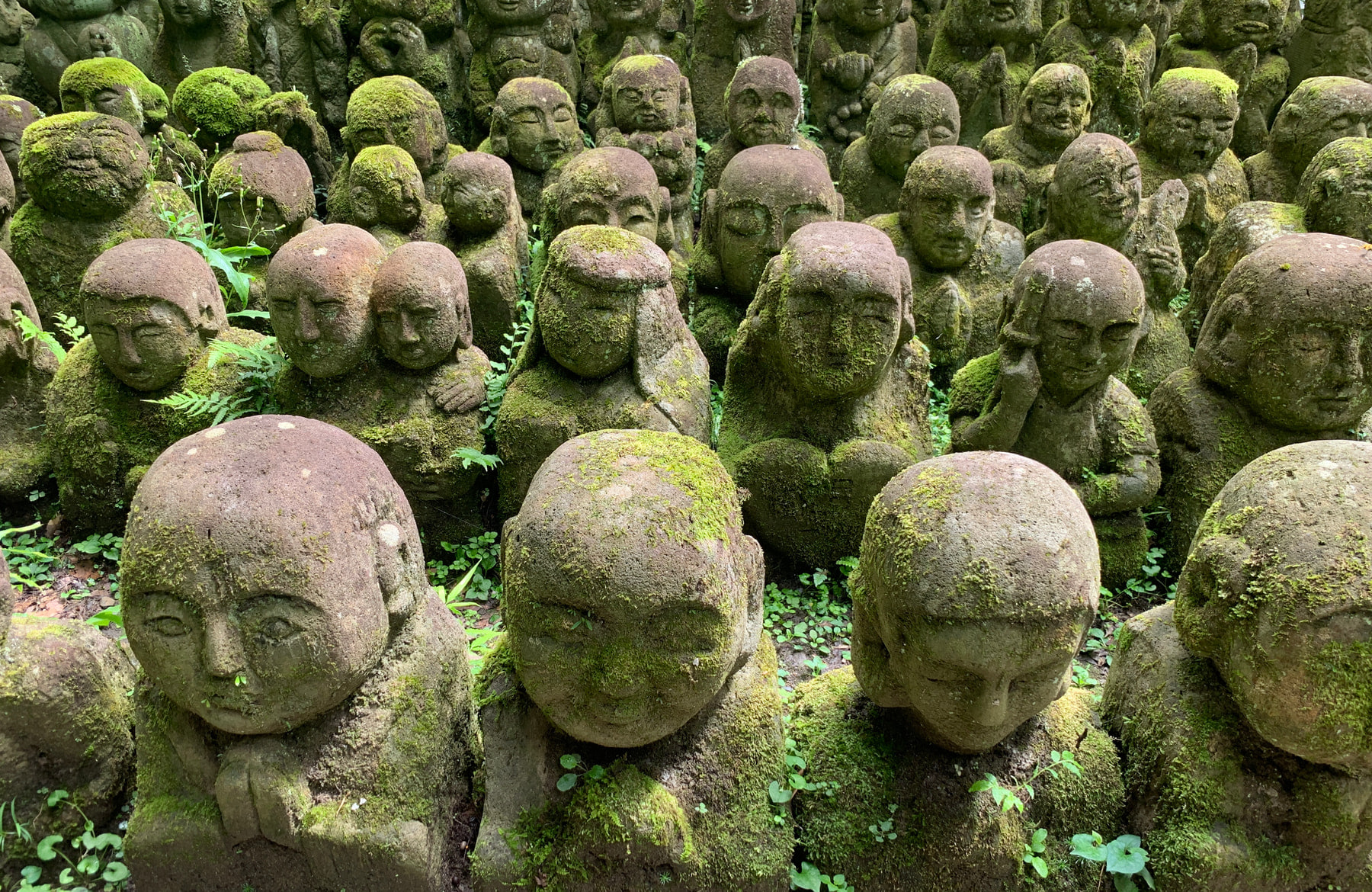
Some 1,200 mossy rakan statues, each with a different expression, make this one of Kyoto’s most characterful hidden stops.
Adashino Nenbutsu-ji
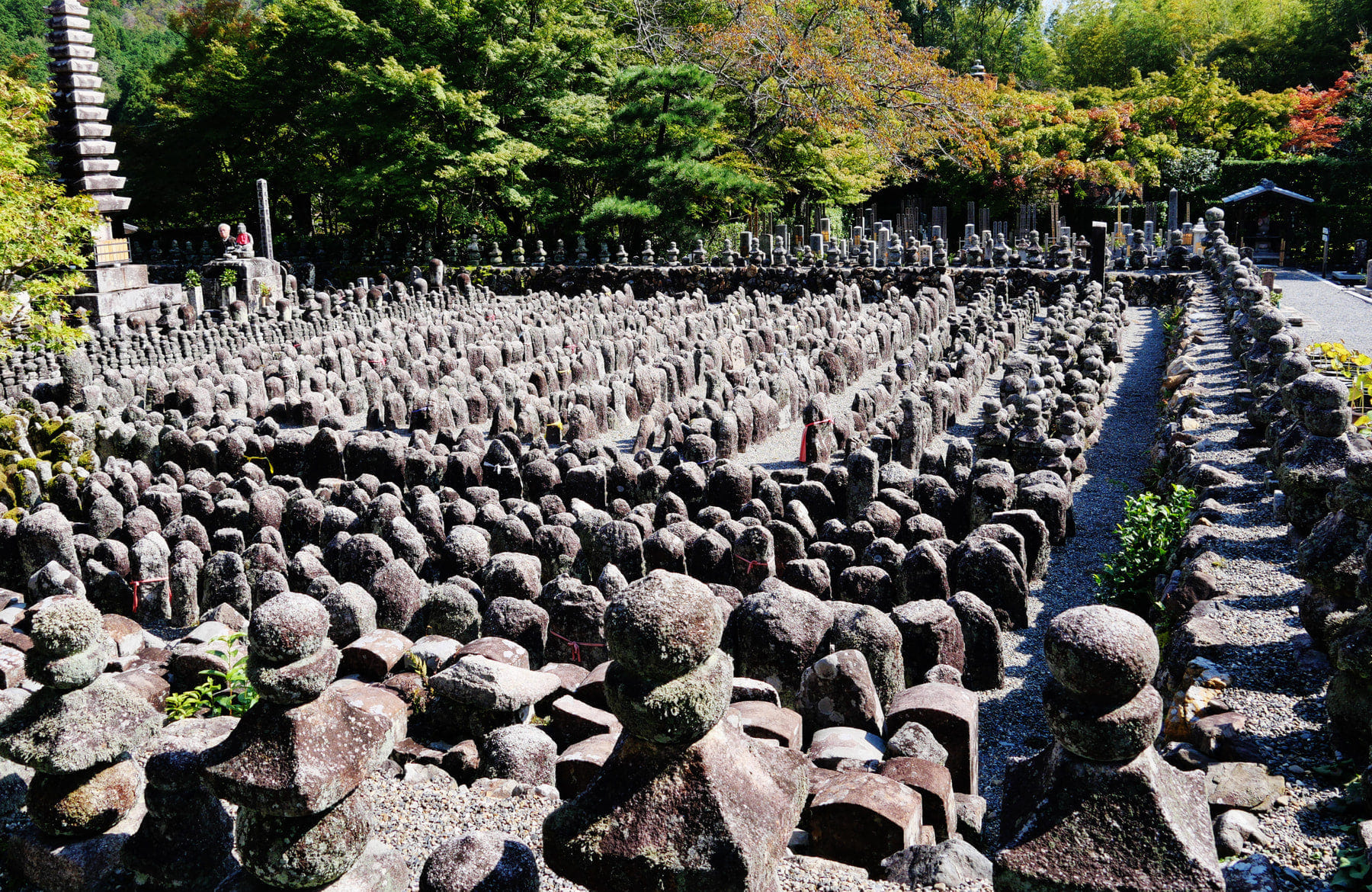
A contemplative visit centred on Sai no Kawara’s roughly 8,000 stone memorials and a small bamboo path.
Saihō-ji · Kokedera
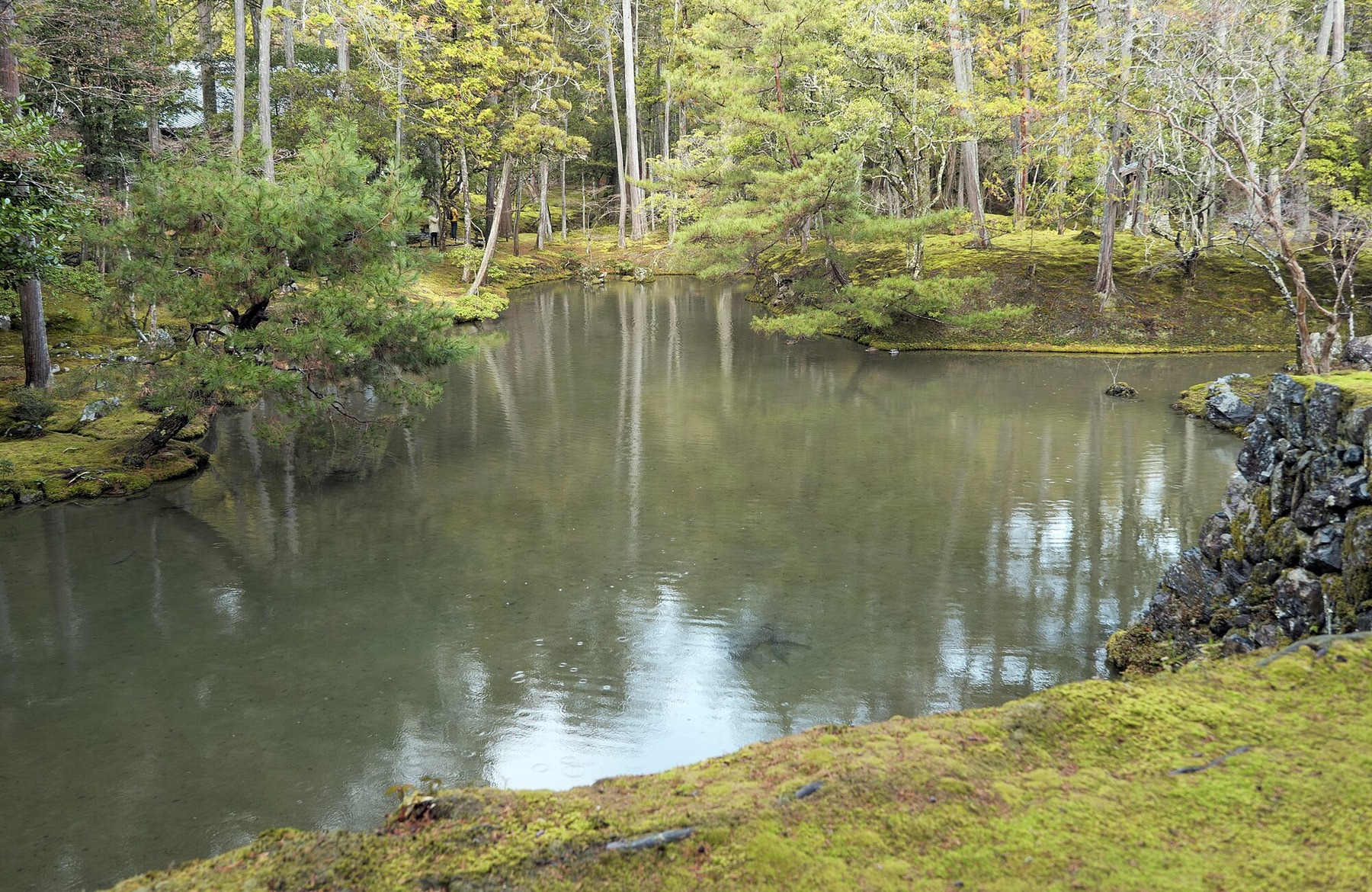
A singular Zen garden protecting more than 120 moss varieties through limited, ritual-led visits.
Byōdō-in
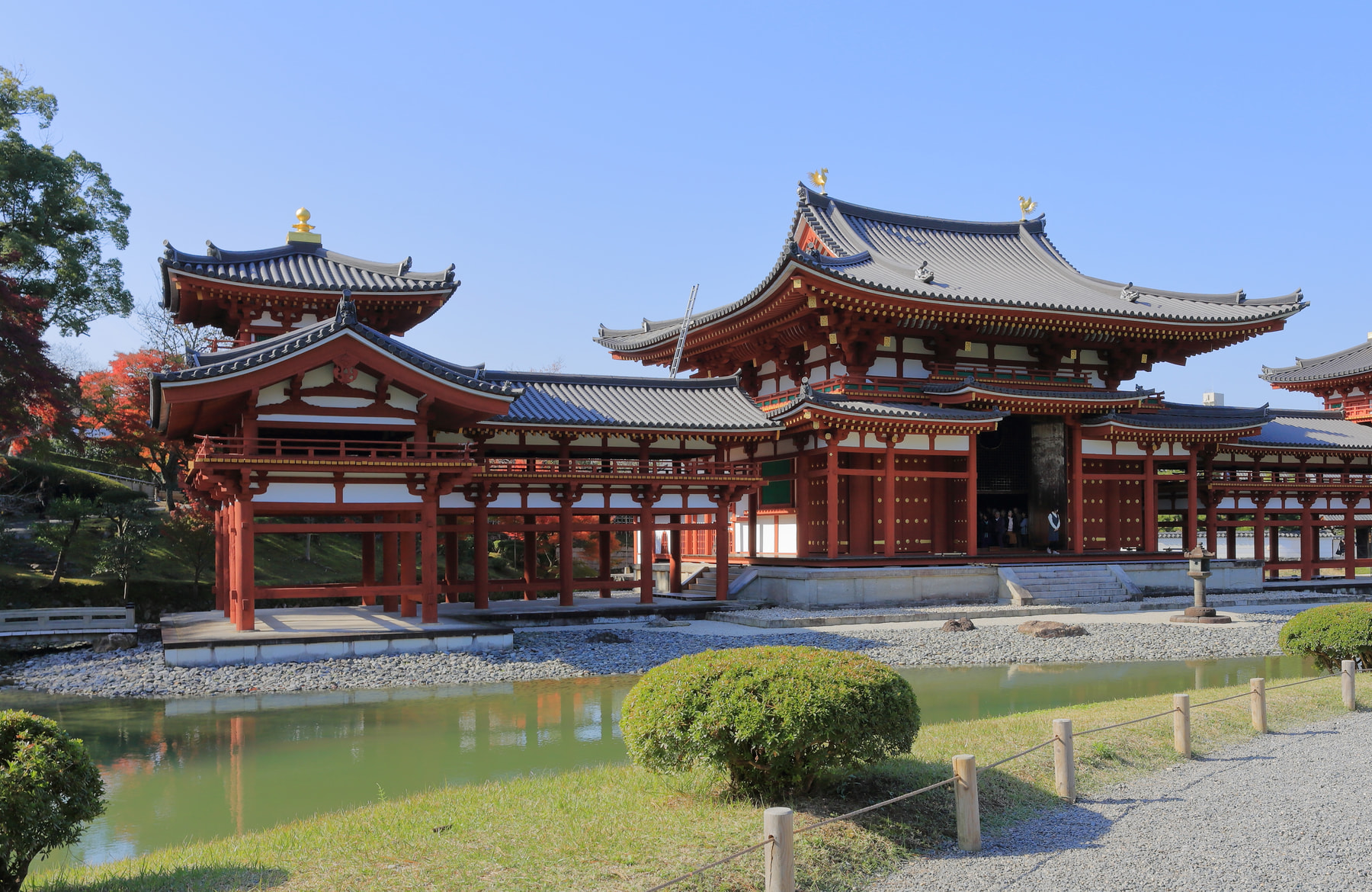
The Phoenix Hall pictured on the ten-yen coin anchors an Uji day trip with its reflection pond and excellent museum.